
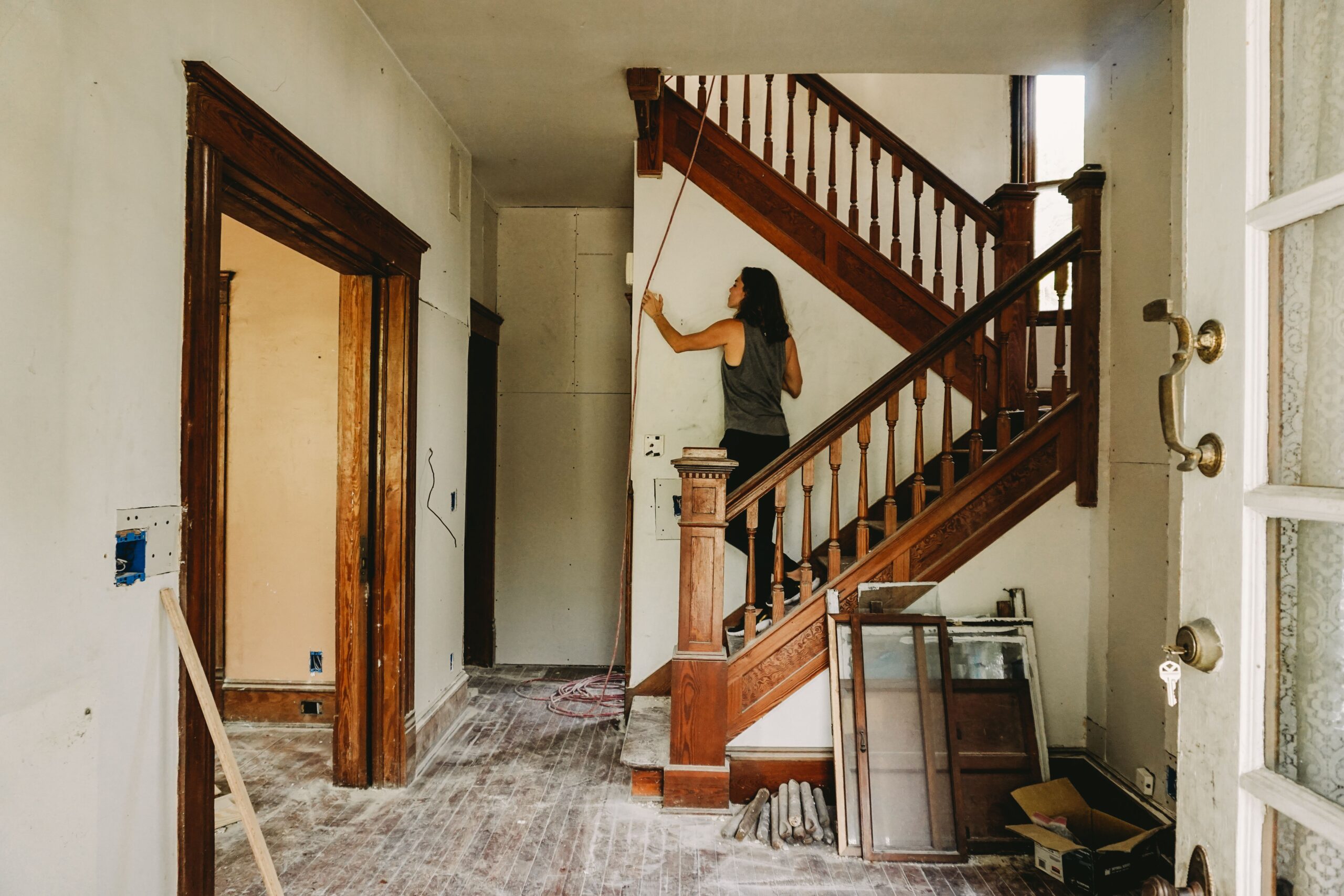
Older homes have something newer properties cannot easily reproduce: history, established character, mature neighbourhoods, distinctive details, and years of memories. For many Alberta homeowners, those qualities are exactly why they chose their property in the first place.
But living in an older home can also mean adapting a property that was designed for a different era.
Rooms may no longer suit modern lifestyles. Storage can be limited. Walls and trim may show decades of wear. Doors might not operate as smoothly as they once did. Bathrooms may need practical improvements, while basements and spare rooms may have significant untapped potential.
Renovating an older property can create an exciting combination: preserving what homeowners already appreciate while improving the way the home functions today.
However, older-home renovation deserves thoughtful planning.
At Devine Hands, we help Alberta homeowners approach renovations, repairs, painting, general maintenance, and home adaptations with careful attention to the existing property. Rather than focusing only on what a room should look like afterward, we believe it is important to understand its current condition and determine which improvements will provide meaningful long-term value.
For homeowners in Edmonton, Calgary, Red Deer, Lethbridge, Airdrie, Sherwood Park, St. Albert, Okotoks, Spruce Grove, and surrounding Alberta communities, a successful renovation begins before the first visible change takes place.
Start With the Condition of the Home
It is easy to begin a renovation by imagining new colours, finishes, flooring, or furniture.
Those decisions are exciting, but they should not necessarily come first.
Older homes deserve a careful review of the areas involved in the project.
Homeowners may notice:
- Cracked or damaged drywall
- Worn trim and baseboards
- Doors that stick or fail to latch
- Uneven flooring transitions
- Loose railings
- Aging caulking
- Previous repairs
- Damaged wall surfaces
- Rooms with outdated functionality
These conditions help determine the actual scope of the project.
A beautiful new finish will not correct an underlying repair that was never properly addressed.
Expect the Unexpected
One difference between renovating an established home and working with a newer property is that older houses may contain evidence of previous changes.
A room may have been renovated decades ago.
Walls may have been repaired more than once.
Different flooring materials may meet unexpectedly.
Trim may have been replaced in one area but not another.
Homeowners may also discover that a seemingly straightforward project requires additional preparation once work begins.
This does not mean older homes are problematic.
It simply means flexibility is valuable.
Allowing room in the project plan for unexpected repair needs can reduce frustration and help homeowners make better decisions if something additional requires attention.
Decide What Character Is Worth Preserving
Renovation does not have to mean removing everything old.
Some of the most appealing features of established homes may be exactly what homeowners want to retain.
Depending on the property, this might include:
- Distinctive trim
- Traditional room proportions
- Built-in details
- Original doors
- Unique architectural features
- Established layouts that still function well
Before replacing an older feature simply because it is not new, consider whether it contributes to the personality of the home.
Sometimes restoration, repair, or a fresh finish can be more appropriate than replacement.
The goal should be creating a home that feels improved—not necessarily one that has lost everything that made it distinctive.
Identify What Truly Needs to Change
Older homes often accumulate a long renovation wish list.
The kitchen could be updated.
The bathroom could be improved.
The basement could become more useful.
Walls need attention.
Storage is limited.
Trying to solve everything simultaneously can make planning difficult.
Instead, homeowners can separate projects into categories:
Needs attention now: repairs, safety concerns, damaged surfaces, unstable components.
Would improve everyday life: storage, lighting, room functionality, home adaptations.
Primarily cosmetic: paint colours, decorative changes, optional finish updates.
This approach helps prioritize spending and prevents important repairs from becoming secondary to cosmetic improvements.
Consider How the Household Lives Today
A house built several decades ago was designed around the lifestyle expectations of that time.
Modern households may use space very differently.
Today, homeowners may need:
- Home offices
- Flexible rooms
- More practical storage
- Multigenerational living areas
- Hobby spaces
- Improved accessibility
- Better organized entrances
- More useful basements
Renovating an older home provides an opportunity to reconsider how rooms function.
A formal room that is rarely used may be more valuable as an office or family area. A basement may become an important extension of the main living space. A spare bedroom may serve several purposes.
The best renovations respond to the household rather than forcing the household to adapt to an outdated room label.
Examine the Walls Before Painting
Fresh paint is one of the quickest ways to modernize an older interior.
However, older walls may require additional preparation.
Homeowners may discover:
- Previous patching
- Nail holes
- Cracks
- Dents
- Damaged corners
- Uneven repairs
- Surface imperfections
Simply applying new paint can make some of these flaws more visible rather than hiding them.
Proper drywall repair and preparation create a smoother foundation for the finished surface.
At Devine Hands, we treat preparation as an essential part of painting because the final result depends heavily on what happens before the paint is applied.
Pay Attention to Trim and Baseboards
Trim is an important part of the character of many established homes.
Unfortunately, it is also vulnerable to years of wear.
Baseboards may become damaged by furniture, vacuuming, moisture, pets, renovations, or repeated repainting.
Door casing may develop gaps or damage.
Before replacing everything, homeowners can consider which sections can be repaired and which genuinely need replacement.
Well-finished trim creates clean transitions between walls, floors, windows, and doors, helping the entire room feel more polished.
Older Doors May Need More Than New Paint
Doors often reveal the age and movement of a home.
Over time, homeowners may notice:
- Sticking
- Scraping
- Misaligned latches
- Loose hinges
- Worn hardware
- Damaged trim around the frame
Painting a door may improve its appearance, but it will not correct poor operation.
Adjustment and repair should be considered before cosmetic finishing.
A properly operating door is one of those improvements homeowners may not appreciate until they experience how much easier everyday use becomes.
Evaluate Flooring Transitions
Older properties may contain several generations of flooring.
One room might have hardwood, another tile, another carpet, and another newer plank flooring.
Where these materials meet, homeowners should examine the transition.
Potential concerns include:
- Loose strips
- Raised edges
- Uneven heights
- Visible gaps
- Damaged sections
Smooth transitions improve both appearance and everyday movement.
They can become particularly important when planning home adaptations for people with changing mobility needs.
Think About Accessibility Before It Becomes Necessary
Renovating an older home can be an ideal opportunity to consider long-term accessibility.
Even when nobody currently requires significant adaptations, homeowners can ask whether the property will remain convenient as circumstances change.
Potential improvements might include:
- Secure handrails
- Grab bars where appropriate
- Improved lighting
- Smoother flooring transitions
- Easier door operation
- More accessible room layouts
These features can support children, visitors, people recovering from injuries, older family members, and homeowners planning to remain in the property long term.
Accessibility does not have to change the character of an older home.
Thoughtful improvements can be integrated into the existing design.
Give Older Bathrooms Practical Attention
An older bathroom does not necessarily need to be completely demolished to become more functional.
Sometimes the biggest improvements come from addressing accumulated wear and usability concerns.
Homeowners can evaluate:
- Caulking
- Wall condition
- Flooring
- Storage
- Lighting
- Door access
- Grab-bar opportunities
- Trim
- Existing finishes
Targeted repairs and adaptations can improve everyday comfort while allowing homeowners to plan larger renovations later if desired.
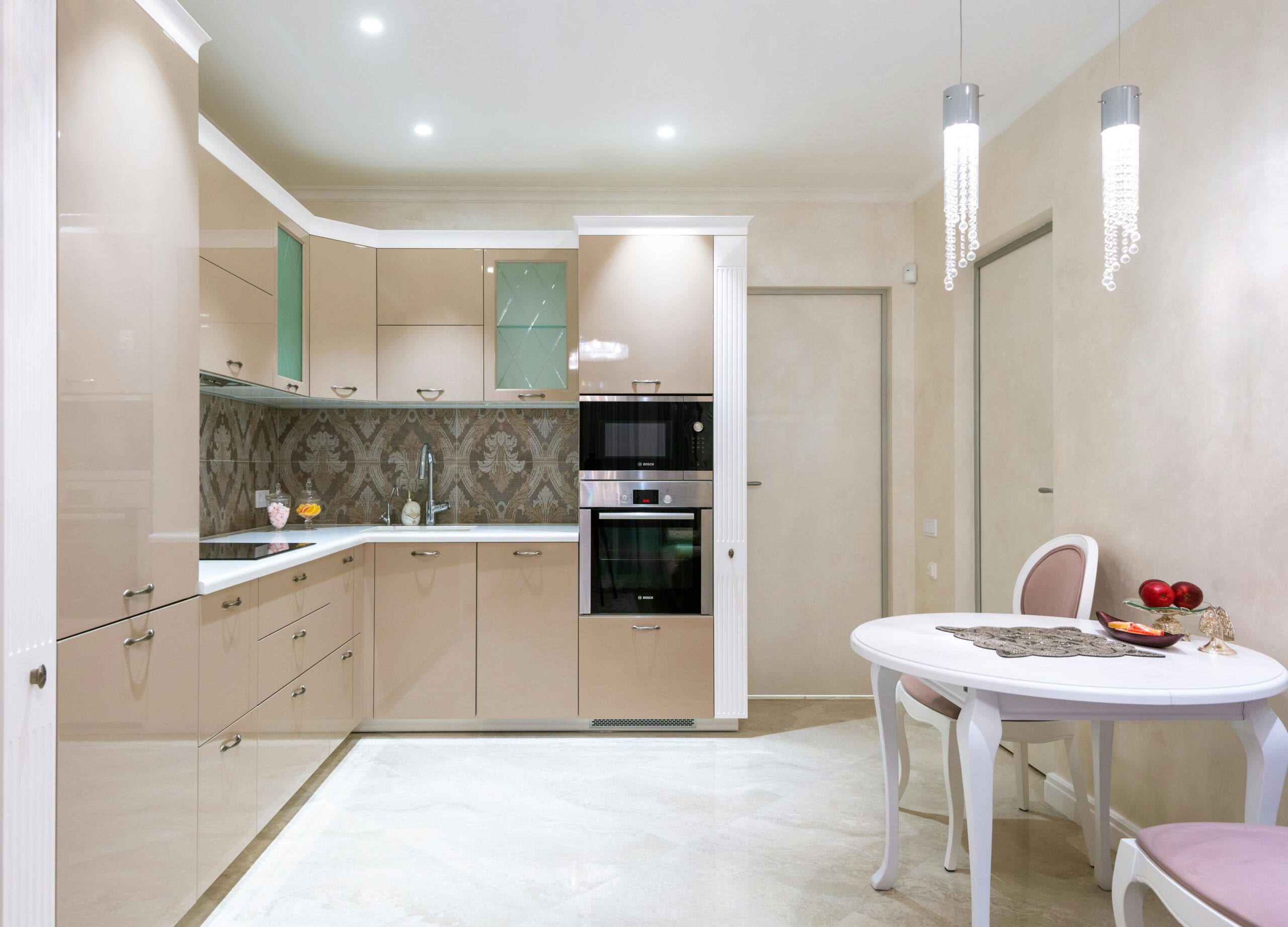
Look Beyond a Complete Kitchen Remodel
Older kitchens can feel dated, but homeowners should identify what actually causes frustration before assuming everything needs replacement.
Is storage the problem?
Do cabinet doors require adjustment?
Is lighting inadequate?
Are the walls worn?
Does the flooring need attention?
Is hardware outdated or loose?
Targeted improvements can sometimes extend the usefulness of an existing kitchen while providing a meaningful visual refresh.
A renovation should solve problems, not simply replace materials because they are older.
Do Not Ignore the Basement
Basements can offer some of the greatest opportunities in established Alberta homes.
A basement that currently functions primarily as storage may potentially provide:
- Family space
- A home office
- A hobby area
- Better organized storage
- A guest room
- A flexible multipurpose area
The first step is determining what the household actually needs.
From there, homeowners can consider drywall, painting, flooring, trim, lighting, doors, storage, and stairway improvements.
Making existing square footage more useful can sometimes provide more value than searching for additional space elsewhere.
Entryways Need to Handle Alberta Life
Older entrances were not always designed around the volume of belongings modern families bring home.
Then Alberta winter arrives.
Boots, coats, gloves, bags, snow, moisture, and road debris place significant demands on the entrance.
Homeowners can consider:
- Better organization
- Improved storage
- Durable flooring repairs
- Door adjustments
- Wall and trim restoration
- Improved lighting
A relatively small entrance improvement can have an outsized effect on everyday routines.
Consider Alberta’s Seasonal Conditions
Older Alberta homes have already experienced years of temperature swings, dry winters, snow, moisture, and changing indoor humidity.
These conditions can contribute to movement and wear in materials.
Homeowners may notice seasonal changes involving:
- Doors
- Trim
- Drywall
- Caulking
- Flooring
- Exterior structures
This makes routine maintenance especially valuable.
Homeowners in Edmonton, Calgary, Red Deer, Lethbridge, Airdrie, Sherwood Park, St. Albert, Okotoks, Spruce Grove, and surrounding Alberta communities should consider durability when selecting repairs and improvements.
A renovation should look good when completed and continue performing through Alberta’s changing seasons.
Avoid Covering Problems With Cosmetic Improvements
One of the easiest renovation mistakes is treating a visible symptom instead of the underlying problem.
Painting over damaged drywall does not repair it.
Installing trim over an unfinished area does not necessarily correct what is underneath.
Covering a poor flooring transition does not automatically make it stable.
Professional renovation starts with preparation.
At Devine Hands, we believe homeowners receive better long-term value when repairs are completed properly before the finishing work begins.
Consider Renovating in Phases
Older homes often have several areas that could benefit from attention.
Everything does not need to happen simultaneously.
A phased plan might begin with repairs and safety-related improvements.
The next phase could address painting and finishing.
Later, homeowners might repurpose a basement or improve a bathroom.
Renovating in stages can help households:
- Manage budgets
- Reduce disruption
- Prioritize important work
- Make decisions gradually
- Coordinate future improvements
The important part is having an overall direction so that individual projects work together.
Create a Home Punch List Before Starting
Before beginning a larger renovation, homeowners can walk through the house and create a list of smaller outstanding jobs.
The list may contain:
- Loose railings
- Door adjustments
- Damaged drywall
- Missing trim
- Paint touch-ups
- Shelving installation
- Cabinet adjustments
- Flooring transitions
- Minor bathroom repairs
Some of these tasks may fit naturally into the planned renovation.
Combining related work can help create a more complete result and prevent newly renovated areas from sitting beside obviously unfinished details.
Balance Modern Comfort With Existing Character
One of the most rewarding aspects of renovating an older home is finding the right balance between old and new.
Homeowners can preserve the features they appreciate while improving:
- Functionality
- Comfort
- Accessibility
- Storage
- Lighting
- Finishes
- Everyday usability
The finished home does not need to look newly constructed.
It should feel like the best version of the property homeowners already love.
Professional Craftsmanship Matters in Older Homes
Established properties often require more problem-solving than simply installing new finishes.
Existing conditions need to be understood.
Repairs need appropriate preparation.
Transitions between older and newer materials need careful attention.
Finishing work should complement the surrounding property.
Professional craftsmanship helps bring these details together.
At Devine Hands, we approach each project according to the actual home rather than assuming every property requires the same solution.
Devine Hands Helps Bring New Life to Established Homes
Devine Hands provides professional home improvement services for Alberta homeowners, including:
- Home renovations
- General maintenance
- Drywall repairs
- Interior painting
- Home adaptations
- Railing and grab-bar work
- Door and trim repairs
- Flooring-related repairs
- Practical handyman projects
Whether homeowners want to refresh one room or gradually improve an established property, we focus on practical solutions, careful workmanship, and improvements that support everyday living.
Proudly Serving Alberta Homeowners
We serve homeowners throughout Edmonton, Calgary, Red Deer, Lethbridge, Airdrie, Sherwood Park, St. Albert, Okotoks, Spruce Grove, and surrounding Alberta communities.
Older homes can have tremendous potential. They simply deserve renovations that respect what already works while thoughtfully improving what does not.
Give Your Older Home Its Next Chapter
An older home does not have to become a brand-new house to feel renewed.
Sometimes its best qualities are already there.
The goal is to preserve the character homeowners appreciate while repairing accumulated wear, improving functionality, creating more useful spaces, and preparing the property for the way the household wants to live today.
With thoughtful planning and professional workmanship, an established Alberta home can continue serving its owners comfortably for many years.
Call Devine Hands: (587) 691-4769
Email: info@devinehands.ca
Contact Devine Hands today to discuss your renovation, home repair, painting, general maintenance, or home adaptation project. Let us help you improve your older home while preserving the qualities that made it worth calling home in the first place.